
Source Audio Files
- 24bit 96kHz WAV or AIFF format file is the vinyl pre-master standard. Other file resolutions are acceptable, down to CD quality audio, 16bit 44.1kHz.
- File resolution should be the highest available, but should not be converted up to a higher resolution for the vinyl pre-master
- MP3 audio is not a suitable source for vinyl production.
- Source audio files should be provided as a single WAV or AIFF for each side of the album, with track spacing included in the audio. Accompanying text documents, indicating track IDs, should be provided for each side and must exactly match the audio.
A note on Hi Frequency
The cutting system is capable of putting very high peak levels on the record, but only ideal playback systems will be able to play the audio back without distortion, and to make sure the record will be playable on all types of equipment, it is necessary to limit the Hi Frequency information. Occasional HF peaks can be addressed with de-essing as part of the cutting process, without dulling the overall sound. However, sustained HF and highly compressed HF will result in the vinyl playback being noticeably less bright than the master. It’s recommended to provide a vinyl premaster that already has a balance of Hi Frequency suitable for vinyl production. When a master contains excessive Hi Frequency content, we may be able to offer additional processing that will significantly improve the level and the sound of the record.
A note on Low Frequencies
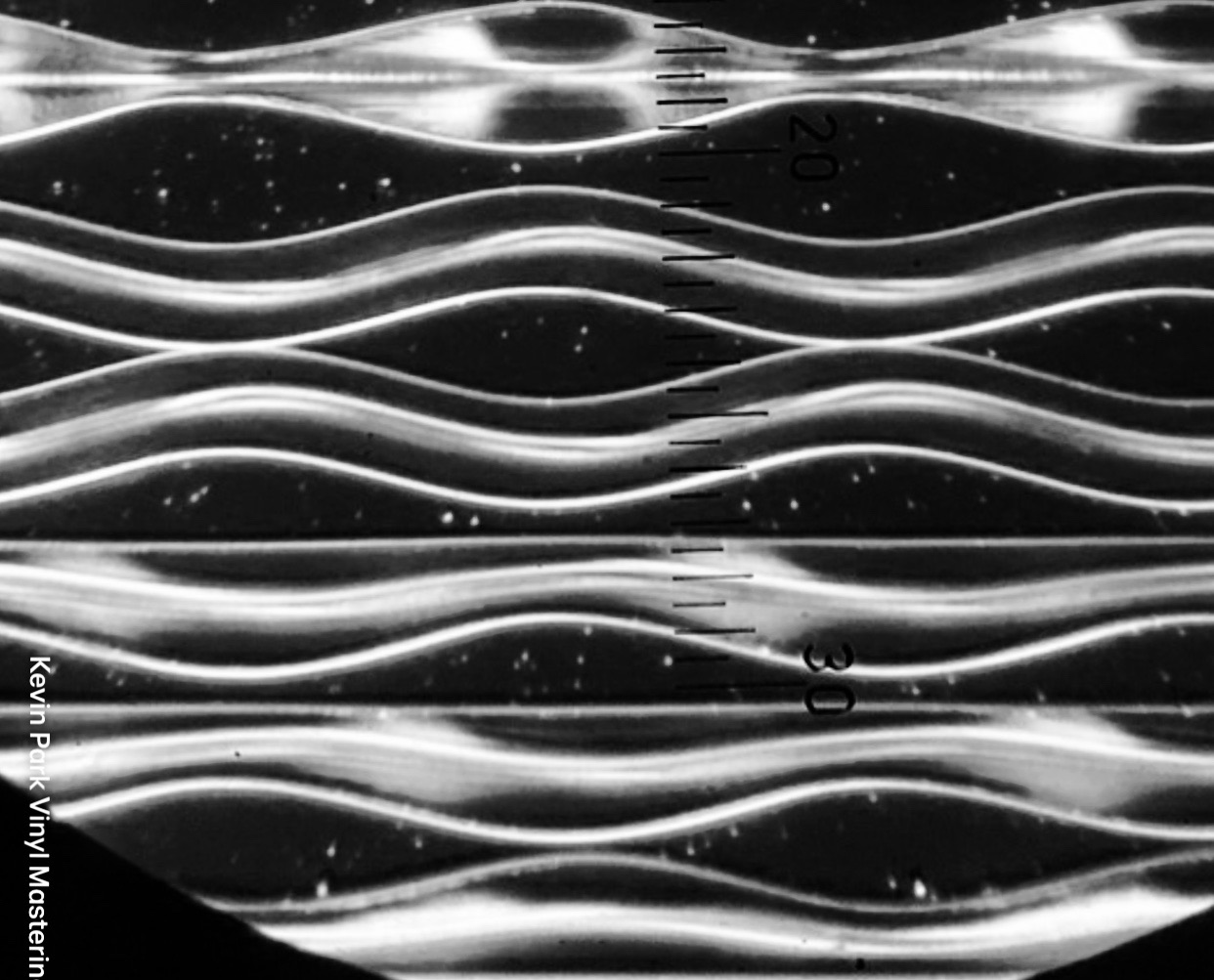
Excessive bass level can cause the record to skip. Excessive stereo information in the bass and lo-mid will appear as vertical movement in the groove, so it’s necessary to limit or remove these components. The cutting system is equipped to correct minor issues with the bass however, more severe problems will result in a record that can’t be cut or that sounds very different from the source files provided. It’s recommended to provide a vinyl premaster that already has low frequency level, phase and stereo content that is suitable for vinyl production. In some cases, we can offer additional optimization for bass and phase issues that will significantly improve the level and the sound of the record.
A note on Running Times
As a general rule, the longer the side is, the quieter the record will be. There are guidelines for maximum side length, but it’s the bass content in the audio that uses more physical space on the disc, so if the audio is prepared suitably, then it will be possible to have longer sides without compromising the level or audio quality. Side lengths above 22 minutes will often require audio compromises and will incur additional charges. As well, some styles of music are more ideally suited to a higher playback level, in which case the side length should be shorter than the general recommendation.
7” records are meant to play at 45 rpm. Some styles of music can sound OK at 33, but generally it’s not recommended.
Recommended Running Times:
- 12” 33 rpm: 20 minutes – 12” 45 rpm: 12 minutes
- 10” 33 rpm: 14 minutes – 10” 45 rpm: 10 minutes
- 7” 33 rpm: 7 minutes – 7” 45 rpm: 4.5 minutes
Level
We cut each record at the maximum level possible. That level is determined by a combination of factors described above. The longer side of the record determines the level for all sides, unless otherwise specified.
Reference Acetates:
Any time that there is a question about whether or not your record complies with these guidelines, there is the option to cut a reference acetate first. An acetate is a disc that is cut just like the master record and can be played a few times to hear what your records will sound like. It can save the extra time and the expense of additional test pressings.
Details to include for the cutter
If your digital master intentionally contains any of the following, please include a note so as to avoid delays and extra costs; unusual noises, extreme effects, clipping distortion, mono audio files, unusual extended silence